Burnout in the Nonprofit Sector: How Managers Can Spot It and Stop It
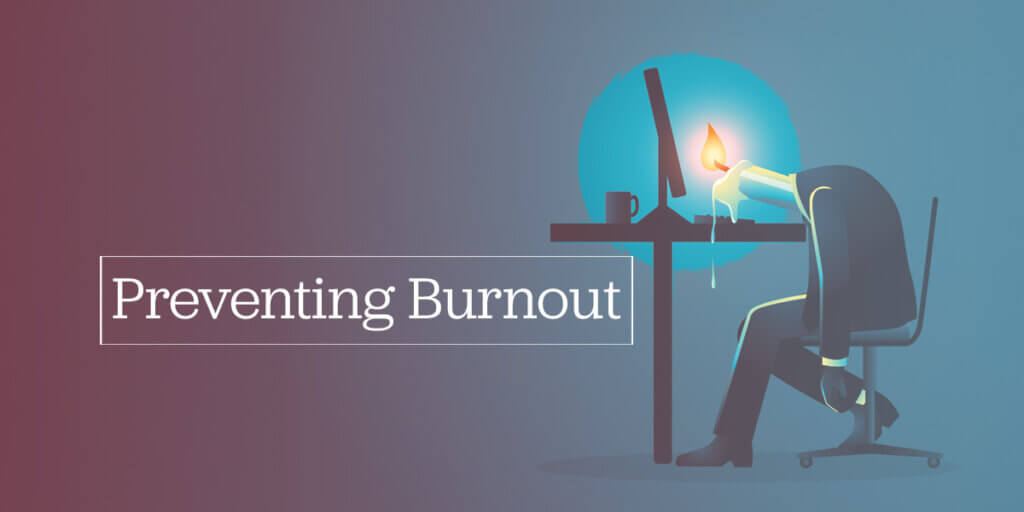
If you work in the nonprofit world, you know the stakes are high. Your mission matters, resources are often limited, and the passion of your team is what drives impact. But in recent years, another force has been creeping in and undermining that passion: burnout.
And it’s not just a nonprofit problem — it’s a worldwide epidemic.
According to recent research, 82% of workers in the United States have experienced burnout in the last year. That’s not a small blip; that’s a systemic issue. For managers in mission-driven organizations, this means your most dedicated employees could also be your most at risk.
Busy vs. Burnout: Understanding the Difference
On the surface, busy and burnout can look similar — long hours, packed schedules, and big workloads. But they feel very different.
- Busy: Your team member feels stretched but energized. They’re engaged, motivated, and they recover after rest.
- Burnout: Your team member feels drained, detached, and unable to recharge even after time off.
Being able to spot the difference matters — because your approach to helping will change depending on what you uncover.
Questions Managers Should Ask
When you notice a dip in energy, quality of work, or engagement, start with a conversation. Your goal is to figure out whether the person is just busy or truly burned out.
Energy & Recovery
- “When you take time off, does it help you feel refreshed?”
- “How are your energy levels at the start of the week?”
Motivation & Enjoyment
- “What part of your work still feels exciting or meaningful right now?”
- “Have you noticed any projects you used to enjoy now feeling like a chore?”
Wellbeing
- “How have you been sleeping lately?”
- “Have you noticed feeling more irritable, anxious, or disconnected?”
Workload & Control
- “Do you feel you have enough time and resources to do your work well?”
- “Are there projects where you feel you have no say in priorities or approach?”
Support & Connection
- “Do you feel supported by your colleagues and leadership?”
- “Do you have enough opportunities to connect with others in a meaningful way?”
These questions not only give you insight — they signal to your team that you care about their wellbeing.
The State of Burnout: Who’s Most at Risk?
The data reveals some troubling patterns, and they’re worth paying attention to as you think about your own team.
- Generational Divide: Gen Z and Millennials are experiencing peak burnout by age 25, compared to other generations hitting that point around age 42.
Why? Financial pressure, student loan debt, and social media comparisons that create unrealistic timelines for success. - Women and Intersectionality: Women face higher rates of burnout due to taking on more responsibilities at both work and home. When you add other identities — race, sexual orientation, disability — the pressures and burnout risk increase further.
- Remote Workers: Burnout rates are 20% higher among remote workers.
Why? Blurred boundaries between work and home, longer work hours, and social isolation.

Why Burnout Happens
While nonprofit work comes with its own unique challenges, the underlying causes of burnout are strikingly consistent across industries:
- Workload and Time Pressure – Too much to do and not enough time to do it.
- Lack of Support – Feeling alone in problem-solving or execution.
- Unclear Expectations – Not knowing what “success” looks like.
- Constant Connectivity – Technology that keeps people “on” 24/7, with no mental downtime.
What Managers in Nonprofits Can Do
The good news? As a manager, you have influence over many of the conditions that lead to burnout. Here are concrete actions you can take:
1. Ask and Listen
Start with the questions above to uncover if someone is busy or burned out. Don’t wait for them to bring it up — burnout often makes people feel like they can’t raise the issue.
2. Capacity Planning
Nonprofits tend to operate at full tilt, but that makes intentional planning even more important. Look ahead, balance workloads, and prioritize projects based on deadlines and impact so that your team isn’t overloaded all at once.
3. Project Rotation
Some projects are simply more intense — whether due to complexity, emotional weight, or time sensitivity. Rotate these projects among team members so one person isn’t always carrying the heaviest emotional or workload burden.
4. Protect Deep Work Time
Encourage uninterrupted blocks of time for focused work. Limit unnecessary meetings and give people space to work without constant pings, calls, or emails.
5. Increase Project Visibility
Use project management tools that give everyone clarity on priorities, progress, and deadlines. When people can see what’s on their plate (and others’), it’s easier to collaborate, plan, and prevent bottlenecks.
6. Schedule Regular One-on-One Check-Ins
Make these about more than project updates. Use them to understand what’s going well, what’s challenging, and how people are feeling about their work.
The Human Factor in Mission-Driven Work
Nonprofit employees often push themselves harder because they believe in the mission. This dedication is a gift — but it can also make burnout more dangerous. People may ignore their own limits because they see the stakes as “too important to slow down.”
As a manager, your role is to help your team sustain their commitment without sacrificing their wellbeing. That means not only spotting burnout early but also creating a culture where it’s safe to talk about.
Bottom Line
Burnout isn’t a personal failing — it’s a workplace condition. And in the nonprofit sector, where passion meets pressure, the risk is even higher.
By asking the right questions, managing workloads strategically, and making wellbeing part of your leadership priorities, you can protect your team’s energy — and, in turn, protect the mission you’re all working so hard to achieve.