The Intersection of GEO (AI Visibility), SEO, and Accessibility: Building a Web That’s Findable, Understandable, and Inclusive
Search as we know it is changing. Let’s be honest — it’s always been changing. Ever since SEO arrived on the scene nearly 30 years ago, we’ve been adapting to new rules, algorithms, and user behaviors. But right now, the pace of change feels different. Faster. Deeper.
Just last week, I was in a meeting with a client discussing AI visibility — or Generative Engine Optimization, or maybe AI Optimization (we’re still deciding what to call it). I asked, “Quick show of hands — have you changed how you search online lately?”
Every single hand went up.
This post looks at where GEO, SEO, and Accessibility meet — and how combining these strategies can help your organization reach more people, serve them more effectively, and make a greater impact.
For years, Search Engine Optimization (SEO) has helped organizations ensure their content is visible in Google results. But today, search is evolving — powered by Generative AI, which doesn’t just index web pages but interprets and summarizes them.
Welcome to the era of Generative Engine Optimization (GEO) — sometimes called AI visibility. It’s a new layer of digital strategy, and it intersects directly with two long-standing priorities: SEO and Accessibility.
At ArcStone, we see these three forces — GEO, SEO, and Accessibility — not as separate tactics, but as an integrated approach to digital ethics, discoverability, and inclusion.
GEO: Preparing for AI-Powered Search
Generative Engine Optimization (GEO) is about optimizing your content so it can be accurately understood and represented by generative AI tools — from ChatGPT and Perplexity to Google’s AI Overviews, and Co-Pilot.
These AI-driven platforms aren’t showing “10 blue links.” They’re generating answers. That means your visibility depends on how clearly and credibly your content communicates expertise.
How to Build AI Visibility:
- Answer questions directly. Write content that clearly answers the what, why, and how — in straightforward, structured language. If that sounds familiar, it’s because many of the same best practices used for optimizing featured snippets still apply here.
- Show expertise. Show your expertise. Add bylines, bios, and a strong About page that help people and search engines understand who’s behind your work. If your company’s information is vague or anonymous, it can hurt your credibility and your visibility.
- Leverage structured data. Similar to optimizing for featured snippets, schema markup and metadata help AI models interpret your content correctly.
- Be authentic. Generative engines reward original insight over keyword-stuffed content. Again, this is the case for SEO too.
- Keep it accessible. AI visibility and accessibility share the same foundation: clarity, structure, and empathy.
GEO isn’t about gaming algorithms, don’t even try. It’s about communicating clearly and effectively with both humans and machines.
SEO: Still the Foundation
While AI search grows, SEO remains essential. Google and other engines still rely on quality content, site performance, and keyword relevance.
But GEO and SEO are starting to overlap. The same signals that make your site rank well — expertise, structured content, strong performance — also help AI systems understand your organization’s value.
Let ArcStone Help With Your Digital Marketing!
Modern SEO Priorities:
- Intent-driven keywords and content clusters
- Fast, mobile-friendly site performance
- Descriptive meta titles and alt text
- Clean URLs and logical information architecture
- Credible backlinks and cross-domain trust signals
SEO ensures people find you.
GEO ensures AI represents you.
When combined, they make your digital presence more resilient, ready for the next wave of search innovation.
Accessibility: The Core of Ethical Visibility
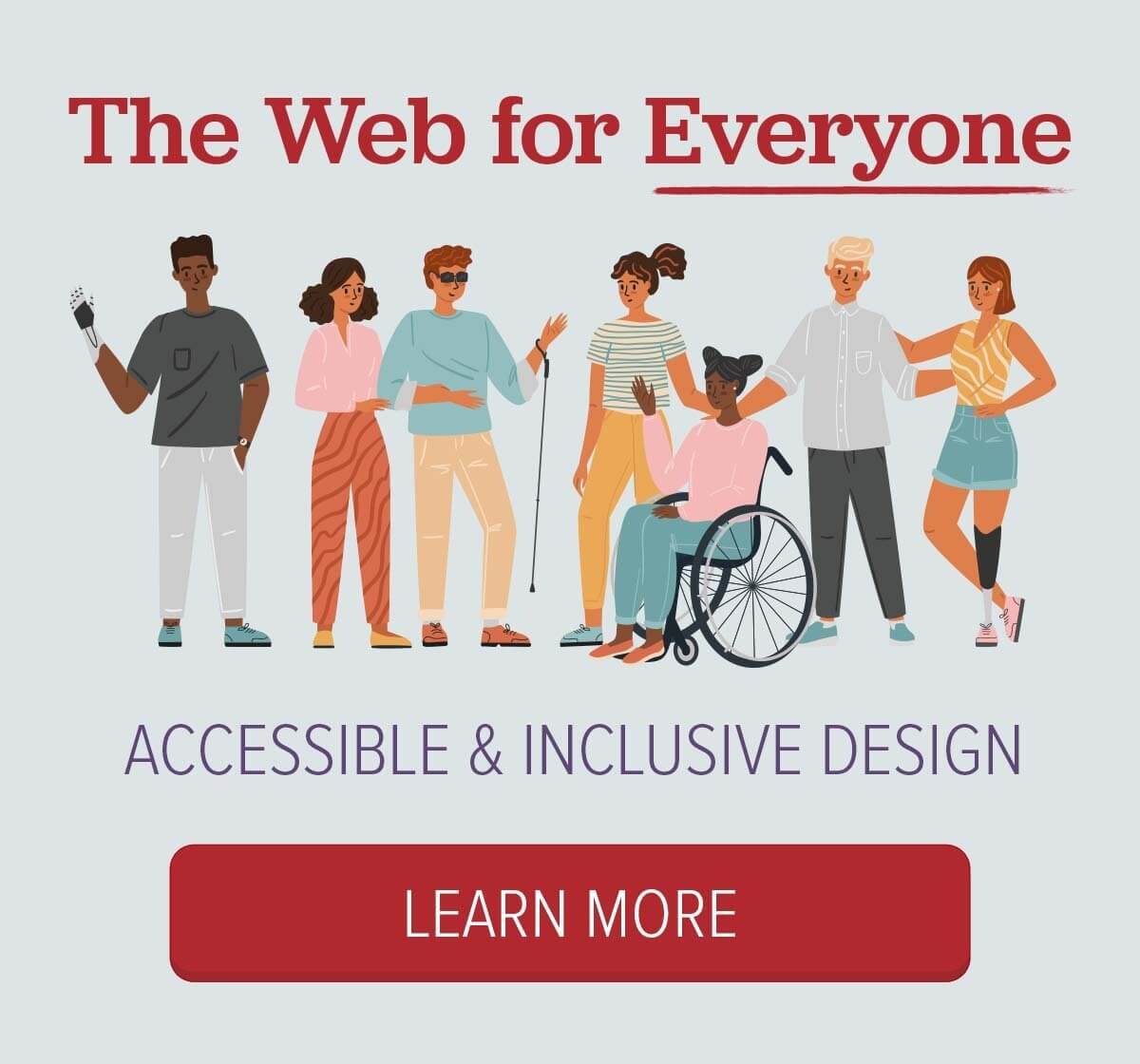
Accessibility has always been about inclusion, ensuring everyone, regardless of ability, can access and navigate your digital spaces.
What’s striking today is how deeply accessibility supports both SEO and GEO. Clear structure, meaningful alt text, proper heading hierarchies, and readable language don’t just help people using assistive technology, they help search engines and AI understand your content.
Accessibility Connects Everything:
- Screen readers and search crawlers both rely on semantic HTML
- Image alt text and captions improve both usability and AI comprehension
- Simple, clear content improves readability and response generation
- Structured data enhances both accessibility and machine learning interpretation
Accessibility is more than a compliance requirement—it’s both a competitive edge and a moral responsibility.
At ArcStone, we’re passionate about creating inclusive digital experiences. That’s why we’re proud to introduce Insi, our new WordPress plugin that helps you easily identify and fix accessibility issues directly within your WordPress dashboard.
The Intersection: Where Human and Machine Understanding Meet
When you align GEO, SEO, and Accessibility, you create digital experiences that are:
- Findable — through search and generative engines
- Understandable — by people and AI alike
- Inclusive — for every user, on every device
This intersection represents the next chapter of ethical digital strategy. It’s not about chasing algorithms, it’s about crafting content and design that reflect clarity, integrity, and empathy.
Building the Future Together
At ArcStone, we’ve always believed the best digital work lives at the crossroads of technology, creativity, and purpose.
As we enter the era of AI search, we’re helping organizations adapt by aligning their content, design, and accessibility practices to support both human and machine understanding — without losing sight of what matters most: people.
Because the future of the web isn’t just about being found. It’s about being represented accurately, understood clearly, and accessible to all.
Final Thought:
The convergence of GEO, SEO, and Accessibility isn’t just a technical evolution, it’s a cultural one. When organizations design for visibility, inclusivity, and truth, they don’t just keep up with the web’s changes, they help shape its future.
Ready to lead the way? Let’s build a more accessible, visible, and authentic web together.