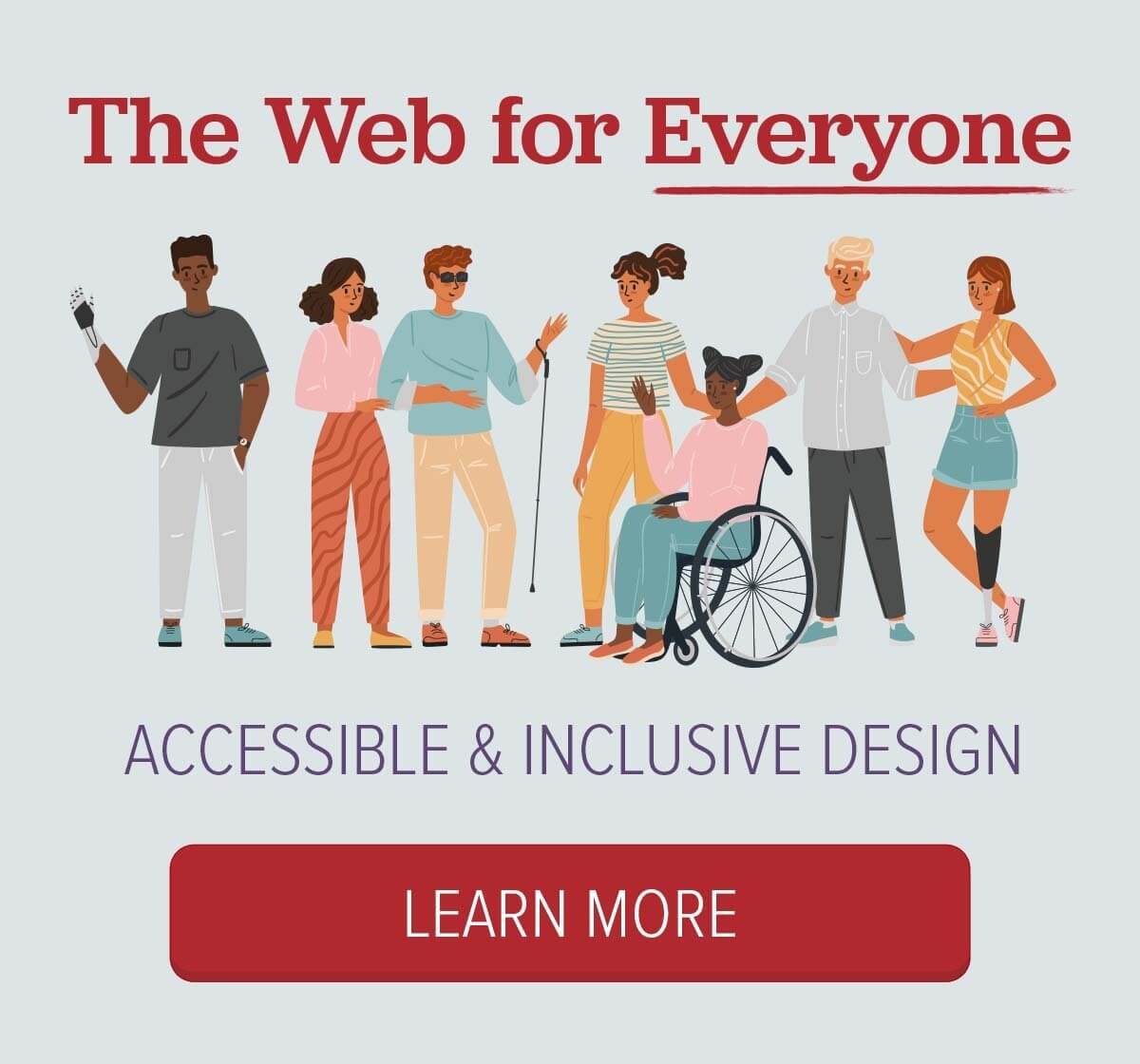
ADA Title III: What You Need to Know

Accessibility isn’t just a legal obligation, it’s a commitment of inclusion. For organizations that serve the public, making sure people of all abilities can access your services is not only the right thing to do, it strengthens trust and expands your impact
Earlier this year, we shared important information about the upcoming ADA Title II compliance deadline in April 2026. Now, there’s another critical milestone on the horizon: the compliance deadline for Title III of the Americans with Disabilities Act (ADA).
In this post, we’ll break down what ADA Title III covers, who it applies to, and what steps your organization can take to move towards compliance.
What Is ADA Title III?
ADA Title III is the section of the Americans with Disabilities Act that prohibits discrimination against individuals with disabilities in public accommodations. This means that businesses and nonprofit organizations that are open to the public must provide equal access to their facilities, programs, and services.
Covered entities include a wide range of organizations, such as:
- Restaurants and retail stores
- Healthcare providers and hospitals
- Theaters, museums, and places of recreation
- Private schools and daycares
- Nonprofit service organizations
- Hotels and lodging facilities
In short: if you’re open for business and welcome the public, ADA Title III applies to you.

Key Requirements of ADA Title III
Organizations covered by ADA Title III are required to:
- Provide Equal Access
Physical spaces must be accessible. This could mean ramps, elevators, accessible restrooms, and proper signage. - Remove Barriers When “Readily Achievable”
Businesses must take steps to remove architectural barriers when it is relatively easy to do so without much difficulty or expense. - Offer Effective Communication
Organizations must provide auxiliary aids and services when necessary to ensure effective communication with people who have hearing, vision, or speech disabilities. Examples include captioning, interpreters, or accessible digital documents. - Ensure Website & Digital Accessibility
While the ADA does not explicitly mention websites (it was passed in 1990), courts and the Department of Justice have consistently interpreted Title III to apply to digital spaces too. This means your website, online forms, and digital communications should meet accessibility standards like WCAG (Web Content Accessibility Guidelines).
Why ADA Title III Compliance Matters
- Legal Protection: Failure to comply can lead to lawsuits, settlements, and fines. In recent years, website accessibility lawsuits under ADA Title III have sharply increased.
- Inclusivity & Equity: Compliance ensures people with disabilities have equal access to your services, strengthening your organization’s mission and values.
- Better User Experience: Accessible design often improves usability for everyone, not just people with disabilities.
- Enhanced Reputation: Organizations that prioritize accessibility demonstrate social responsibility and earn trust from their communities.
5 Steps to Get Started
- Audit Your Facilities – Work with an accessibility ADA consultant or accessibility expert to identify barriers.
- Evaluate Your Website – Work with an accessibility expert to conduct a digital accessibility audit using current WCAG guidelines.
- Train Your Staff – Accessibility awareness should be part of your team’s culture.
- Create an Accessibility Plan – Prioritize changes based on what’s “readily achievable” and plan for long-term improvements.
- Engage Your Community – Invite feedback from individuals with disabilities to ensure your accessibility measures are effective.
To Sum it Up
ADA Title III isn’t just about compliance, it’s about creating environments where everyone can participate fully. By making your physical spaces and digital platforms accessible, you not only follow the law but also live out a commitment to equity, inclusion, and community impact. If you’d like help making sure your website is fully accessible under the new guidelines, we’d love to talk.