
ArcStone in the Community: Get Naloxone Certified!
***TRIGGER WARNING*** This post includes information and descriptions of drug overdose, opioids, needles, and death.
Drug overdose is currently the leading cause of accidental death in the United States, and the #1 cause of death in 18-45 year olds. Today, we are considered to be in the fourth wave of the opioid epidemic, with synthetic opioids and fentanyl contamination found most often in reported overdoses. Fentanyl is the most common synthetic opioid and can be 50 times stronger than heroin. A fatal dose of fentanyl is just 2mg.
Additionally, health inequities increase the risk of fatal overdoses in people of color. These inequities include less access to healthcare, increased racial stigma, generational trauma, systemic racism within healthcare, financial disparity, and a fear of calling emergency services.
This information can feel terrifying, disheartening, and distant from our own lives. However, this crisis is present in our local communities and much closer to home than many of us realize. While we hope that we never have to jump into action for anyone that we know, we feel it is essential to be prepared.
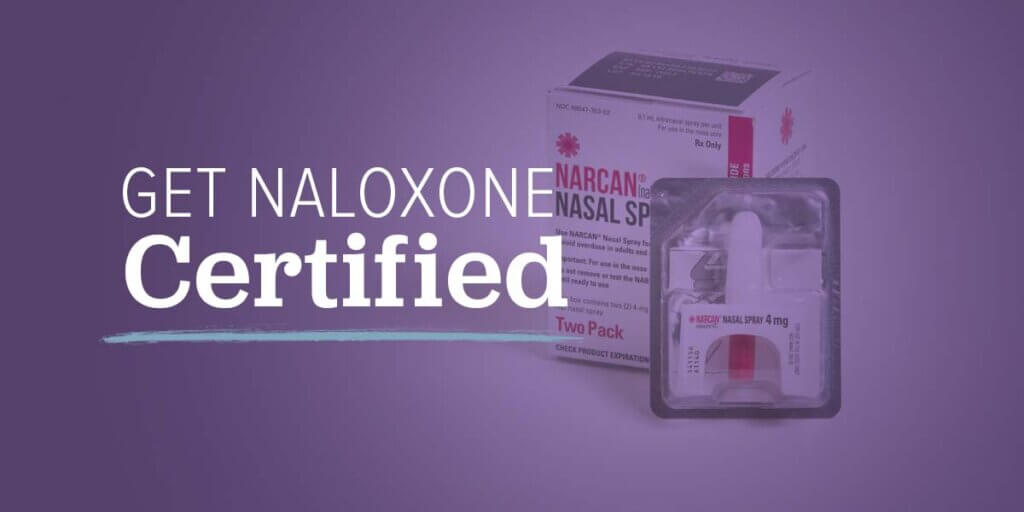
In an effort to be educated and equipped, the ArcStone team recently attended a free, virtual naloxone training hosted by one of our incredibly impactful clients, the Steve Rummler Hope Network. The training included information about the current opioid crisis, what naloxone is and how to administer it, and a free naloxone kit. Below are some of the main points that we took away from the training, as well as additional resources for overdose prevention.
What is naloxone?
Naloxone (or Narcan) is a medication that can reverse an opioid overdose and save a life. It can be administered by injection into the muscle (IM), nasal spray, or intravenously (IV). It works to reverse an opioid overdose by blocking additional opioids to the brain for 30-90 minutes. Naloxone does not reverse an overdose from nonopioids––such as stimulants, alcohol, or benzodiazepines––but will not harm individuals under the influence of nonopioid substances, that are sleeping, or if naloxone is expired.
What is Steve’s Law?
Steve’s Law, passed in 2014, allows anyone in Minnesota to carry or purchase naloxone without a prescription, and provides limited civil and criminal immunity to persons overdosing and calling 911.
What are the signs of an opioid overdose?
If you see any of the following symptoms in someone, call 911 immediately, as they may be experiencing an overdose: Unconsciousness, unresponsiveness, gasping, gurgling, cold or discolored skin, pinpoint pupils, slow breathing, slow heartbeat.
What action should you take if someone is overdosing?
- Attempt to wake anyone unconscious or unresponsive
- Call 911 immediately and tell the responder “Someone is unresponsive and not breathing.”
- Administer rescue breaths with a plastic mask or kit if you’re able
- Administer naloxone
- Resume rescue breaths and wait a full 2 minutes after administering naloxone to give another dose––only doing so if there is no improvement in symptoms
- Wait for emergency medical services and do not leave the person overdosing until they arrive
This information is not exhaustive and does not include instructions on how to administer naloxone. We encourage you to sign up for a free training session, offered both in-person and virtually, to learn more about naloxone and how to use it.
We are proud to work with the Steve Rummler Hope Network and are extremely grateful for the impactful work they are doing within our community. By providing the public with accessible information and resources about overdose prevention, they are saving lives, reducing stigma, and giving so many the opportunity to start again.
For more information, visit steverummlerhopenetwork.org
Additional resources: